Art is About the Doing: An Interview with Tim Lee of Cool Dog Sound and Bark
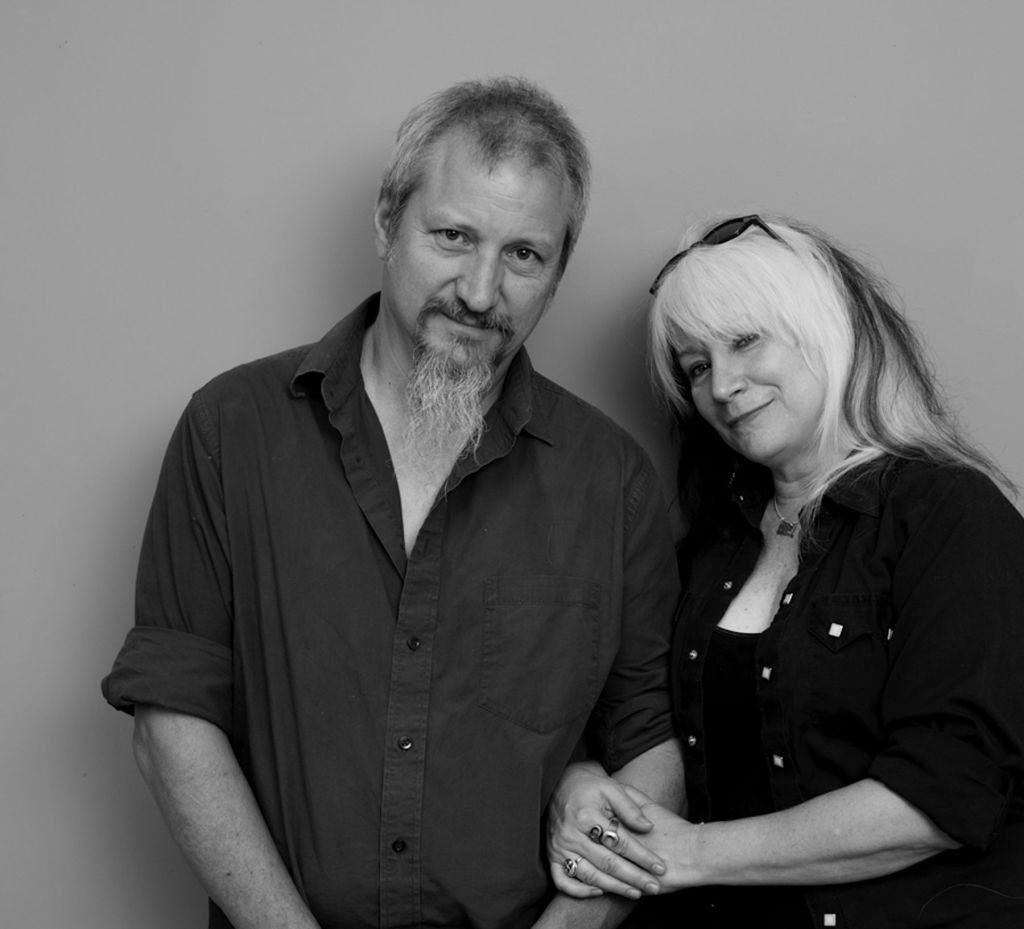
Last summer, I found myself in Water Valley, MS on a rainy day, scheduled to play a show in the park. Luckily, the folks at The Crawdad Hole down the street were willing to host us in their venue, aptly named Voyager’s Rest. Our band experienced the finest Southern cooking and hospitality that day, starting with a meal from The Crawdad Hole and ending with a small but enthusiastic show with the loveliest folks. Among them was Tim Lee, who ran sound for the gig and invited us over to his basement bar for a beer afterwards, where we met his wife and creative collaborator, Susan, who had—by god—just pulled a fresh loaf of bread out of the oven. We sat and chatted with them and their neighbor over bread, butter, and a beer named after the Mississippi writer Larry Brown. In addition to their longrunning band, Bark, the Lees also own and operate an independent record label and publishing press called Cool Dog Sound. Read my email interview with Tim below.
Lou Turner: In addition to working together on the press, Cool Dog Sound, you and your wife Susan also have a wonderful band called Bark. How long have you been collaborating, and how did the idea to begin publishing come to you?
Tim Lee: We’ve been married for more than 40 years, and I’ve been playing, recording, and touring since I was a teenager. Back in the early 2000s, Susan woke up one day with the notion of taking up bass guitar. We’ve played together since, and she’s [become] a great singer, songwriter, bassist, and drummer.
During the pandemic, I got a wild hair and wrote a memoir called I Saw a Dozen Faces … and I Rocked Them All. Susan and I had also worked together for many years on various magazines, so we had honed a pretty good graphic artist/editor relationship. We’ve always enjoyed collaborating, and putting this book together was no different, so we started kicking around the idea of keeping that going.
After my book came out, a couple friends reached out with questions about self-publishing, including Tyler Keith of the Neckbones, Preacher’s Kids, and Teardrop City, who asked Susan to help with his artwork. He sent along a manuscript, which we thought was fantastic. So we offered to put it out, and that’s how we got this thing rolling.
LT: What are some similarities between working on music and working on books? How are they different?
TL: As far as physical products, the biggest difference is that the turnaround for book production is considerably shorter than with albums. Beyond that, books feel like a more immediately immersive project. You tend to work on the whole thing at once, as opposed to creating music, which is generally more of one-song-at-a-time process until you feel like you have enough to put together into an LP, CD, or cassette.
But with either medium, editing and artwork are the key principals you apply to the work after the initial inspiration that formed the basis. Editing with music involves production and sequencing to achieve a proper flow, and editing with books is pretty similar. In both instances, there are specific pieces you need to pull together for a finished product. Albums need track listings, sequencing, credits, etc. Books require stuff like a copyright page, often a table of contents, title page, acknowledgements, author bio, etc.
LT: What book have you worked on that you’re currently most excited about?
TL: That’s a little like asking someone to name their favorite child. We tend to stay excited about all of our titles (seven to date), because we treat our book label like any DIY indie record label. We don’t push the book hard for six weeks and forget about it. We keep them in print, and we’re always looking for new ways to promote them.
Among our first seven books are two novels, one short story collection, a poetry/prose collection, a play, a memoir, and a band biography. So there really aren’t a lot of similarities between the different works.
LT: What’s the most rewarding thing about operating independently, in music and in literature?
TL: There’s just a certain satisfaction in knowing that you made something cool happen. That’s just always been our approach—we’re just trying to put cool stuff out in the world that might not have gotten out there otherwise.
So far, all of our releases have been written by musicians, which wasn’t necessarily our intent. It just worked out that way and has become our de facto mission.
“There’s just a certain satisfaction in knowing that you made something cool happen.“
LT: What do you like about living and working in a small town like Water Valley, MS?
TL: It’s quiet here, but our little neighborhood is full of artists and interesting people. You can have engaging conversations with folks in the grocery store or on the street. The artists around here are generally really encouraging of each other, so there’s a pretty good support system without the hassles and traffic of a larger city.
Also, Water Valley is just down the road from Oxford, which is a literary mecca in the South with a great history of writers such as Barry Hannah, Larry Brown, Faulkner, Willie Morris, and so on. But there’s still a really strong scene there now, and so many of the local authors have been very supportive of Cool Dog Sound and our authors. We’re lucky to be so close to that world.
“There will never be too much art in the world, so keep adding to it.”
LT: What advice would you give someone who would like to release records or publish books but hasn’t started yet?
TL: I say, just do it. Any way you can make it happen. I’ve always believed very strongly that art is about the doing. You can talk about it all day long, plan all you want, but the satisfaction is in the act of creating. There will never be too much art in the world, so keep adding to it.
 Quarter Notes Magazine